A bloke at a bus stop near the harbour muttered to his mate, “You reckon the extra wilds are worth the extra dollar?” The question hangs there, simple and honest. Most punters ask the same thing when they sit down with a twenty in their pocket. They want to know what they are actually buying before the reels start spinning.
Game designers spend years balancing volatility and hit frequency, yet the average player just wants to stretch a night out. When you compare pokies features side by Australia, you are really comparing how far a bankroll travels under local conditions. The math behind a slot is not magic, it is a set of rules written in code and tested against real money play. A budget player needs to understand those rules before they hand over a single credit.
What do the reels actually pay?
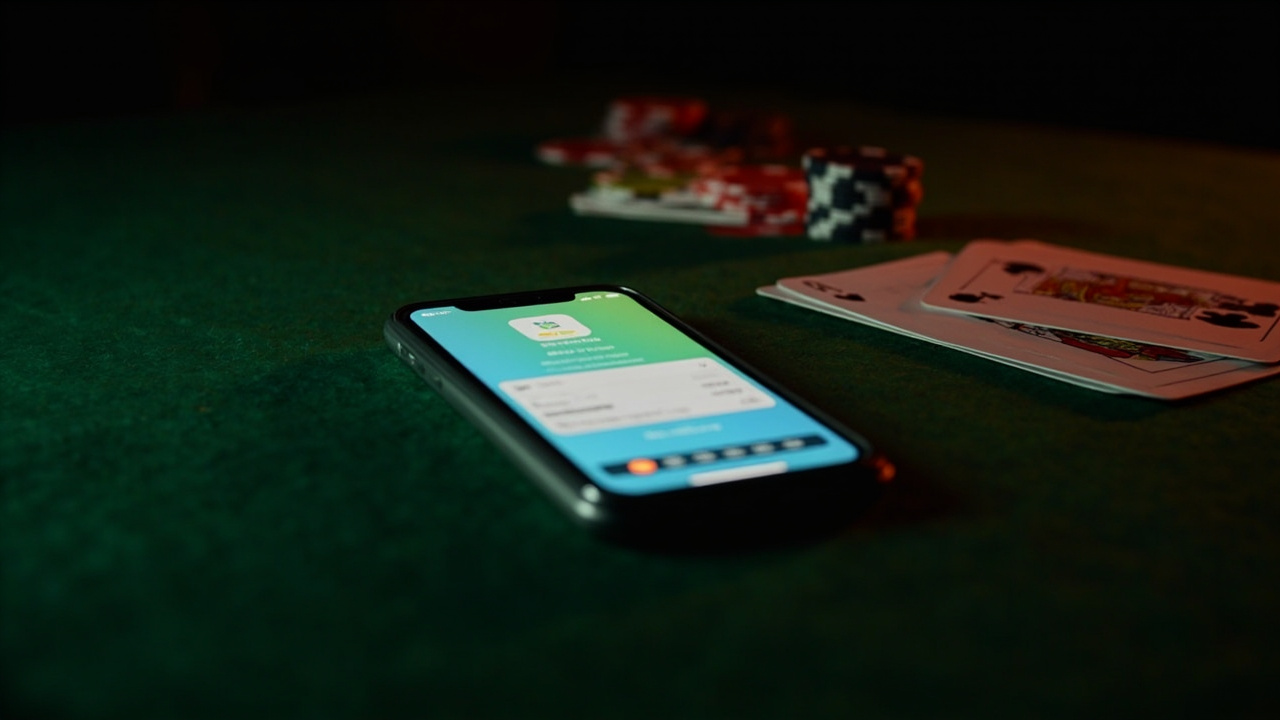
A paytable tells you what symbols matter, but it does not tell you how often they land. Hit frequency is the silent partner in every session, and it decides whether a machine feels generous or stingy over a Saturday night. Some games pay small wins often, which keeps the balance ticking over while you wait for a bigger moment. Others hold back and pay rarely, which can drain a modest stack before the fun even starts.
Volatility is the designer’s way of describing that swing. A high-volatility pokies machine might sit quiet for a long stretch and then drop a feature payout, while a lower-volatility game keeps the action moving in smaller chunks. For a player counting every dollar, the choice between those two rhythms matters more than the theme on the screen. A game that pays often but small can feel like it is giving you more time, which is exactly what a budget session needs.
How do bonus rounds change the maths?
Free spins and pick-em rounds look flashy, but they are really just another set of probabilities dressed up in lights. A well-built bonus will have a clear trigger condition and a defined expected value, so the player knows what kind of swing to expect. A poorly tuned bonus can feel exciting for thirty seconds and then hand nothing back, which is a fast way to burn through a deposit.
I have seen specs where the bonus trigger sits at a one-in-fifty outcome, and the payout inside the feature is tuned to balance that frequency. That is not a guess, it is a deliberate trade-off between how often the round starts and how much it pays when it does. A player who reads the rules before playing can spot whether a bonus is built for frequent small extras or rare big swings. The difference shows up in how long a session lasts, which is the real measure for someone on a budget.
Which symbols matter most to a budget player?
Wilds and scatters do different jobs, and confusing them is an easy way to misread a game. A wild usually substitutes for other symbols to complete a line, while a scatter often triggers a bonus or pays on its own regardless of position. Some machines let a wild expand or stack, which changes the hit pattern without changing the base paytable. That sounds technical, but it is just another way of saying the game pays in a different rhythm.

A budget player should look for wilds that actually improve the line hit rate rather than just looking pretty. A stacked wild on a five-reel layout can turn a thin pay frequency into something more forgiving, provided the rest of the maths supports it. The trick is to check whether the feature is cosmetic or whether it shifts the real odds in your favour. A pretty symbol that never helps a line is just decoration, and decoration does not keep a balance alive.
How do we compare pokies features side by Australia?
Local conditions change how a game feels long before the maths does. A player sitting in a Newcastle pub with a ten-dollar note and a cold drink is working with a different session shape than someone at a desktop late at night. The same machine can feel generous or tight depending on how many spins that bankroll actually buys. That is why the practical comparison always starts with the money in front of you, not the theme on the screen.
Say you walk down to the harbour foreshore on a warm evening and decide to play a modest session with fifty dollars. If the game pays small wins often, that stack might keep you in the action for a couple of hours while you watch the sunset. If the same dollar amount goes into a high-volatility game, the same fifty dollars could vanish in a tighter window, which is a very different night out. The point is not which game is better in the abstract, it is which rhythm fits the money you are willing to spend.
What do the numbers behind the screen mean?
Some buildings skip a thirteenth floor because the number 13 is widely considered unlucky, and some casinos skip a 13th floor for the same reason. That kind of superstition does not change the reels, but it does say something about how people read risk and pattern. A slot machine does not care about luck in that sense, it cares about the probability table it was built on. A player who understands that distinction can stop reading ghosts into a dry run and start reading the actual rules.
Perfect video poker strategy is often printed on wallet-sized cards, because the optimal play there depends on a player making the right decision at the right moment. Pokies do not ask for that kind of input, which is both a relief and a trap. The relief is that you do not need to memorise a strategy chart, the trap is that you can pretend the machine is doing the thinking for you. It is not. The game runs on a fixed spec, and your only real job is to pick the spec that matches your budget.
How to read a spec before you play
A spec sheet is just a list of promises the game makes about how it will behave, and reading it is a practical skill. You do not need a degree to spot the useful bits, you just need to know which lines actually affect a budget session. The goal is to match the game’s rhythm to the money you have, not to chase a theme or a loud bonus animation.
- Check the hit frequency or average payout rate description first, because that tells you how often the balance moves.
- Look at the bonus trigger condition and ask whether it pays often or rarely, since that decides the shape of your session.
- Read whether wilds substitute, stack, or expand, because that changes how often a line actually completes.Marketindex
- Decide your spin size before you start, so the game’s rhythm is measured against a real limit instead of a mood.
- Stop when the session limit you set is reached, because a budget only works when the exit is planned before the first spin.casino rocket code for deposit match
A good spec will tell you enough to make that choice without any guesswork. A vague one will leave you guessing, which is exactly how a modest bankroll gets spent on the wrong rhythm. The player who checks the spec first is not trying to beat the machine, they are just trying to pick the one that fits the night.
How bonus types stack up in practice
Not every bonus is built the same way, and the difference shows up in how a session feels when в статье the feature finally lands. A free spins round might return a steady stream of small wins, while a pick-em bonus might hinge on a single choice and a single multiplier. The right choice depends on whether you want a longer ride or a sharper swing, and that is a budget question as much as a feature question.
| Bonus type | What it usually does | Best fit for a budget player |
|---|---|---|
| Free spins round | Triggers a set of spins with a defined multiplier or special symbol | Longer session rhythm with smaller swings |
| Pick-em bonus | Rewards a choice from a set of options, often with one multiplier | Players who want a clear trigger and a defined outcome |
| Expanding or stacked wilds | Changes how often lines complete without a separate bonus trigger | Sessions that need more frequent line hits |
| Gamble or risk feature | Lets a player push a win into a chance-based outcome | Not a priority for a budget session, since it adds variance |
The table above is not a ranking, it is a way to sort the promises a game makes before you put money in. A free spins round might suit someone who wants the balance to keep moving, while a pick-em bonus might suit someone who prefers a clear trigger and a known shape of payout. Expanding wilds can help a line hit more often, which matters when every spin counts. A gamble feature is a different animal altogether, because it adds risk on top of the risk already in the base game.
For players who want a clearer read on how a deposit bonus changes the starting point, the casino rocket code for deposit match is one place to check the actual terms before you play. The numbers on a bonus matter as much as the features on the reels, because a generous-looking offer can still come with rules that shorten a session. A budget player should treat the bonus paperwork the same way they treat a game spec, as a list of conditions that decide how far the money goes.
Where the local detail actually matters
A session in Newcastle does not feel the same as a session anywhere else, because the local rhythm changes how a bankroll is used. A player down by the harbour or out toward the suburbs is often working with a fixed night out, a fixed spend, and a fixed exit time. That is a very different shape from a long desktop session where the money can drift in and out of focus. The same game can feel fine in one setting and too tight in another, simply because the session has a different boundary.
Local slang and local habits both matter here, because they shape what a player actually wants from a machine. Someone who wants a couple of hours at a pub with mates is not looking for the same rhythm as someone grinding a desktop late at night. The practical comparison is always between the game’s maths and the player’s real limit, not between two themes or two bright bonuses. A game that fits the night is the one that respects the money first.
The same logic applies when you check a bonus offer on a market index that tracks local conditions, because the starting point changes how the session is measured. A deposit bonus can extend play, but only if the terms do not eat into the bankroll with tight wagering rules. A budget player should read the bonus conditions the same way they read a paytable, as a set of limits that decide how long the money lasts. The features on the screen are only half the story, and the other half is the money in front of you.
Play the game that matches your limit, not the one with the loudest bonus screen. Pick a spin size that buys enough time to enjoy the night, check the spec before you commit, and stop when the limit you set is reached. A budget session is not about chasing a big win, it is about making the money you bring stretch into a night that feels worth it.